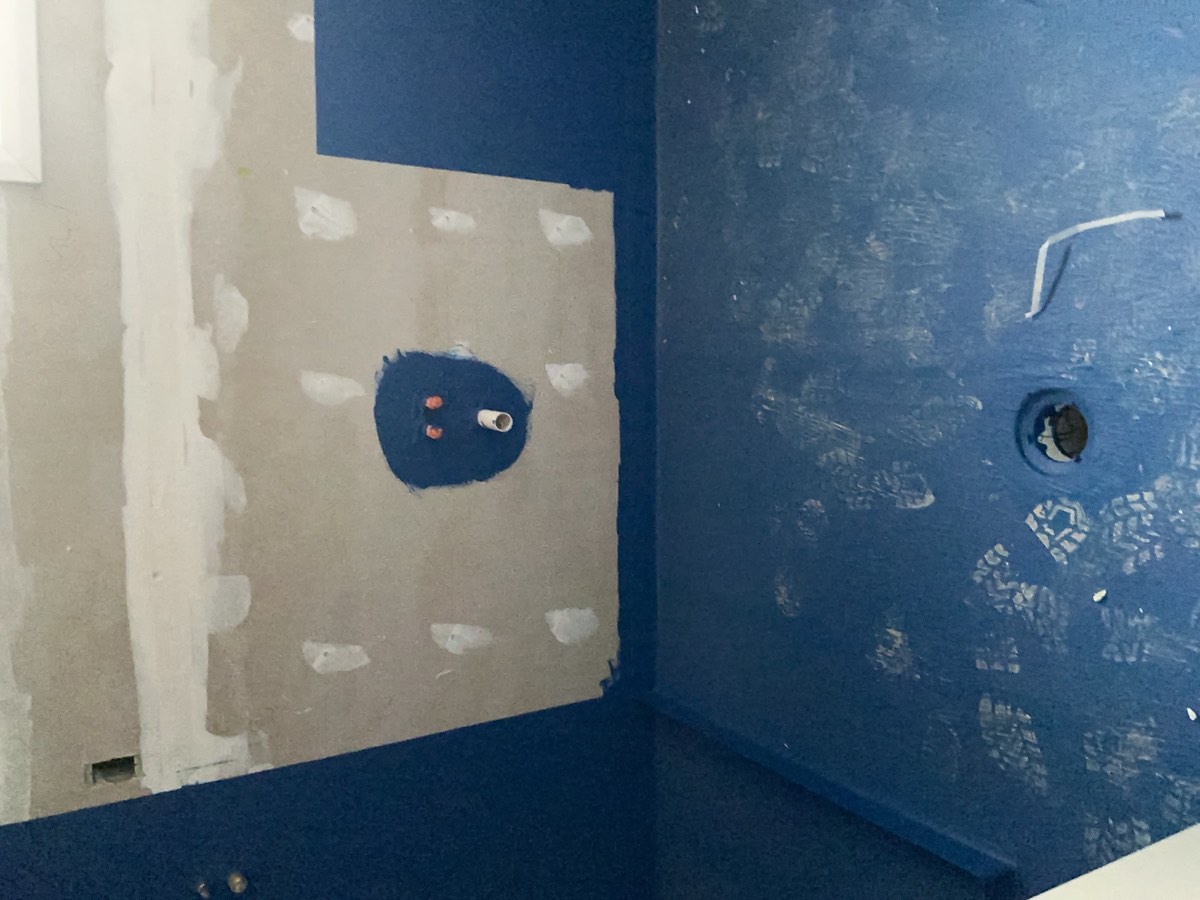
The membrane inspected while it is still a membrane and not a floor.
Wet area rectification is the most expensive defect category in a new home, because putting it right after tiling means dismantling the room. The Leppington wet area work we hold is general membrane coverage photography rather than a catalogue of failures, which is a fair outcome and worth stating plainly. What we look for does not change: coverage and height, terminations, falls to the waste, and the junctions where a continuous layer stops being continuous.
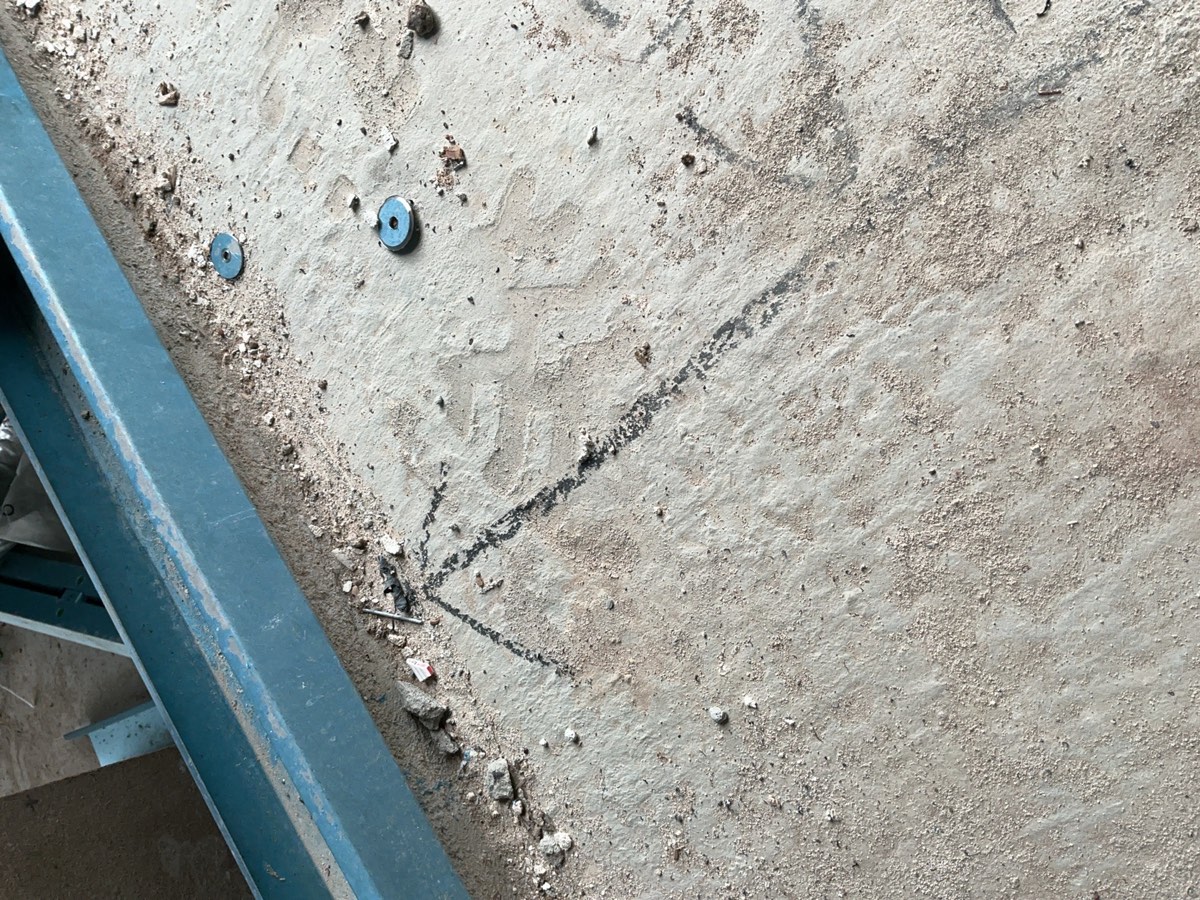
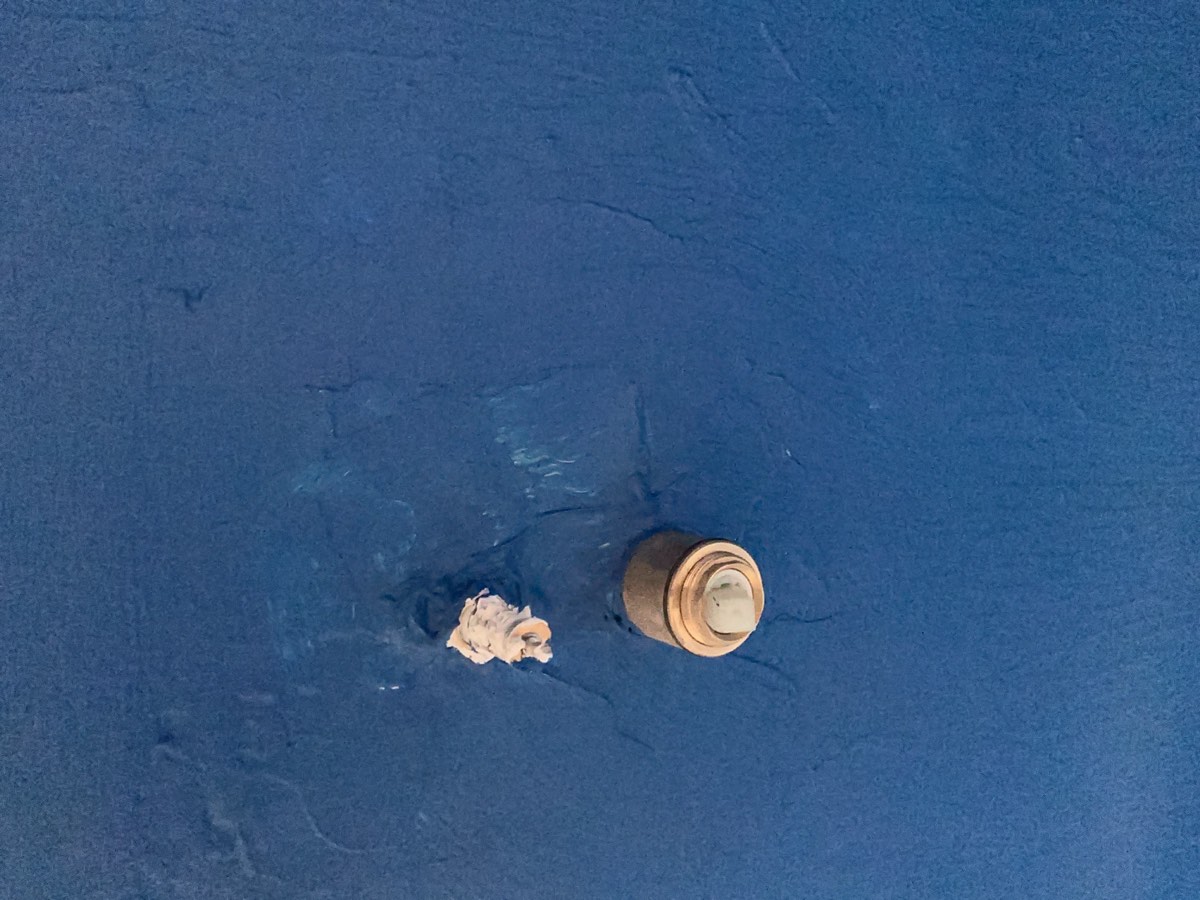
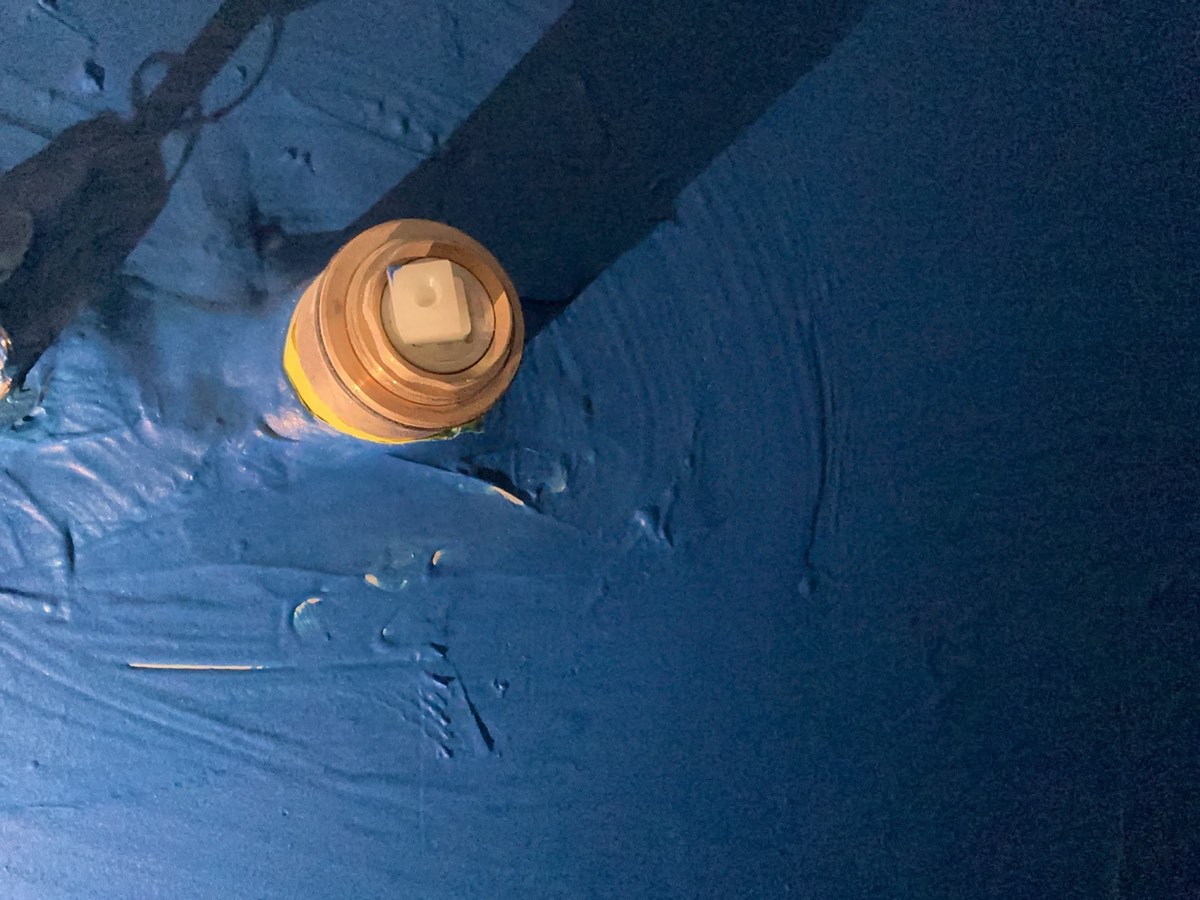
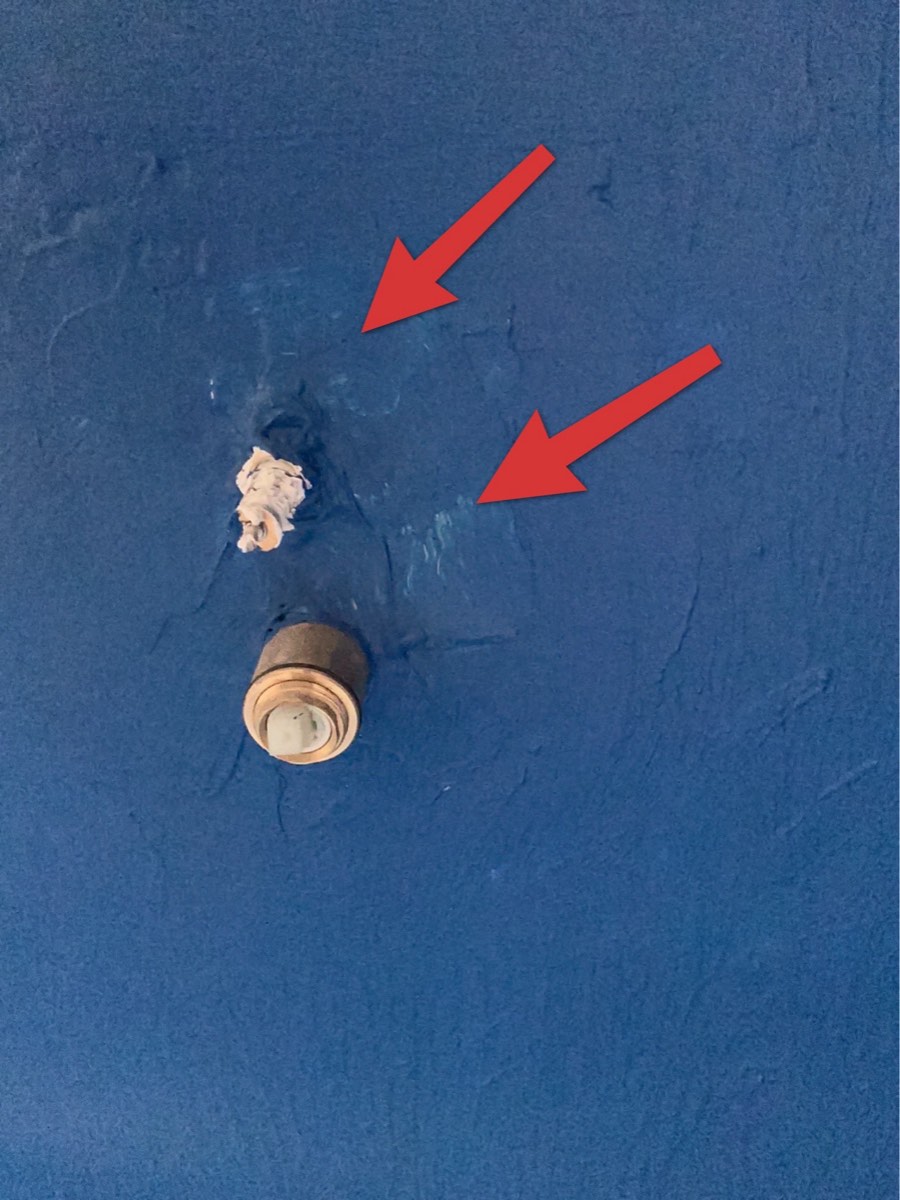
Annotated findings from Waterproofing inspections on Leppington builds. Client addresses withheld.
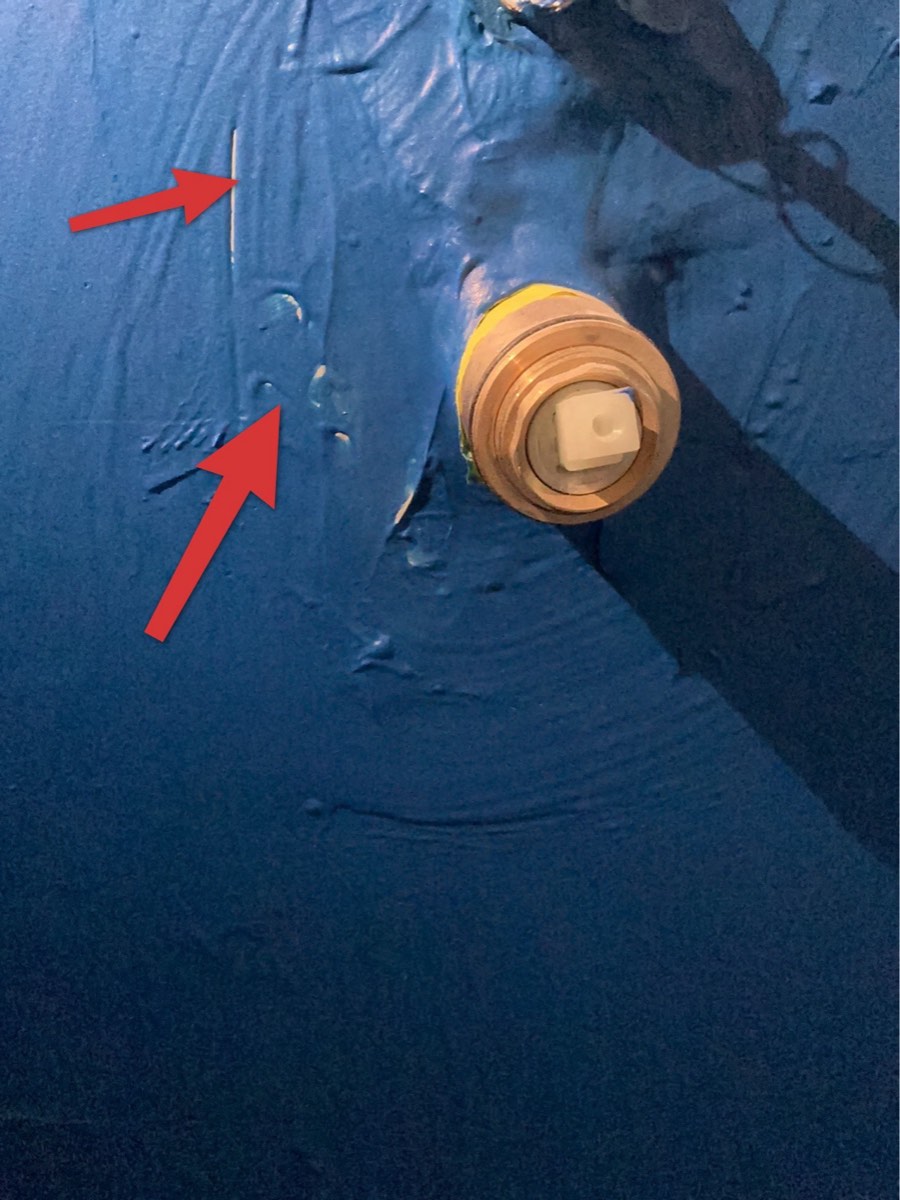
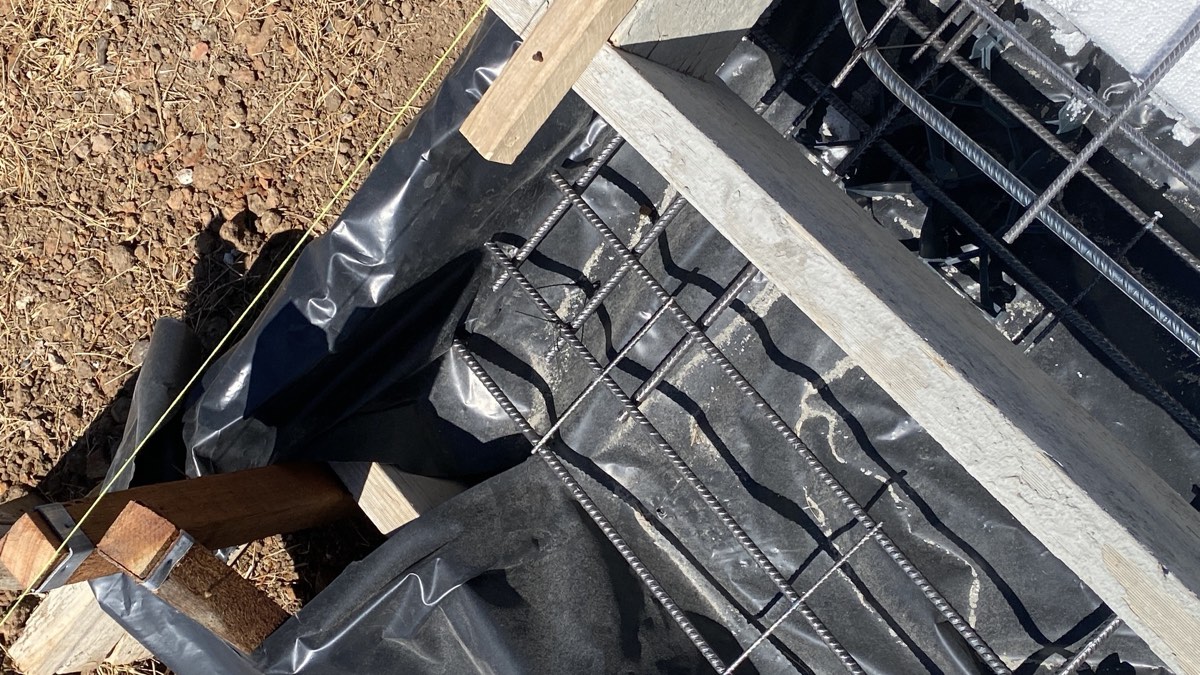 1Bored piersAfter boring and cage placement, before concrete
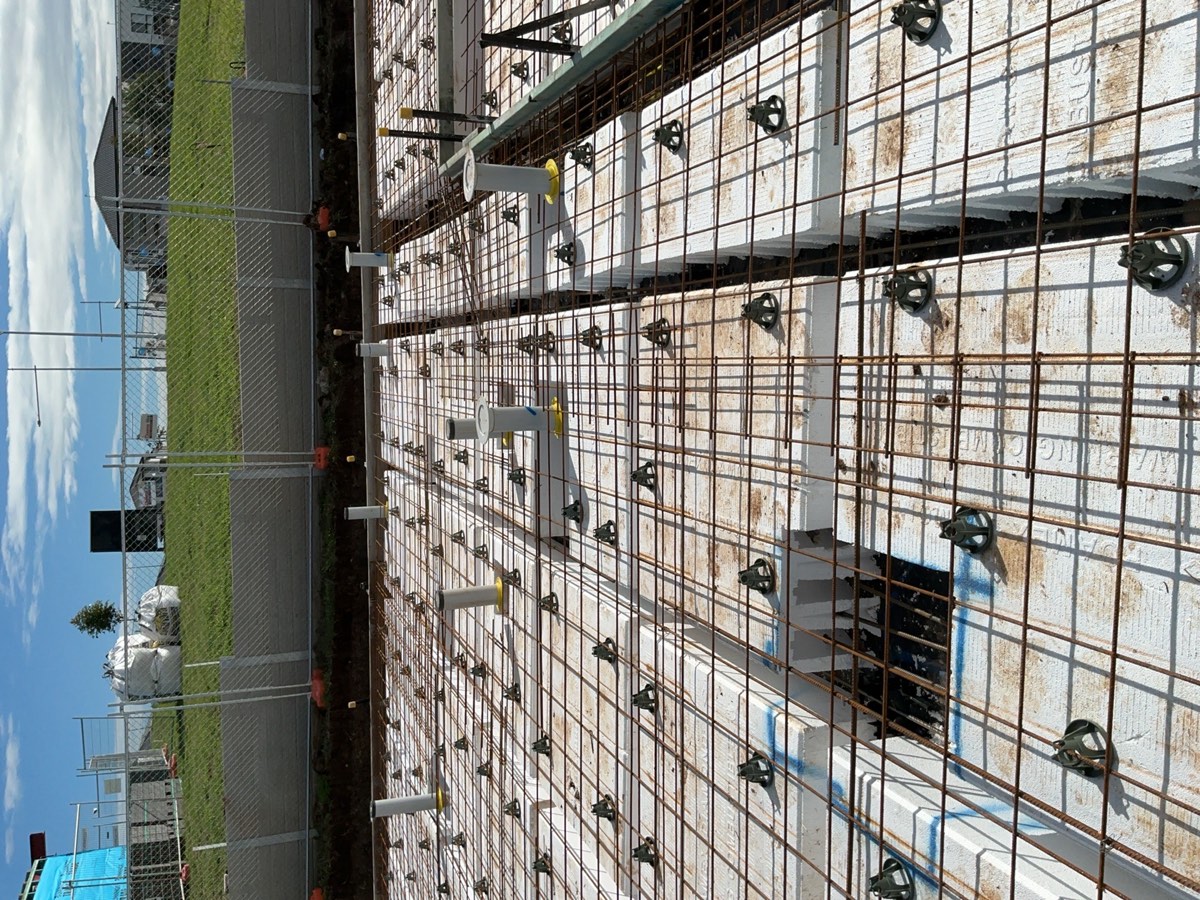 2Slab pre-pourThe day before the pour, steel and formwork complete
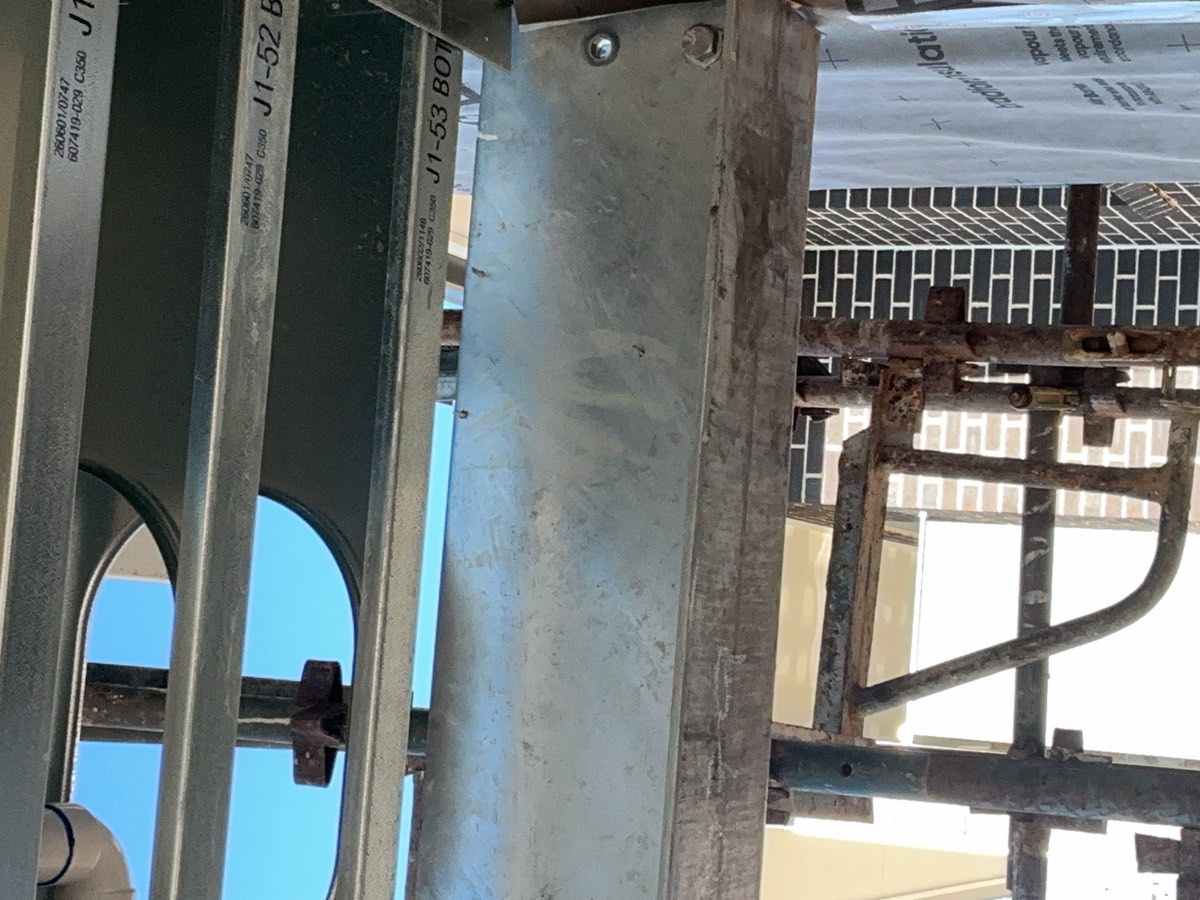 3FrameOnce frame and trusses are up and the roof is on, before lining
 4Lock-up (pre-plaster)After roof, cladding and external doors, before plaster
 5FixingAfter mouldings, doors and joinery, before the painter
 7Pre-handover (PCI)Two to three weeks before your handover date
Instant online pricing, or talk to the booking team on 1300 471 805.
AS 3740 for domestic wet area waterproofing, read with the National Construction Code and the ABCB Housing Provisions, alongside your contract and the tolerances guide.
No. Flood testing intrudes on finished work and belongs in the waterproofer's own procedures. We assess by eye and by hand.
Often two or three days, between the membrane curing and the tiler starting. Book as soon as the waterproofer is scheduled.
Usually a damp skirting or a stain on the wall of the next room, a year or two in. By then the remedy is removing tiles and screed.
We look at whatever is still exposed and record which areas had already been covered.
The builder, coordinating the waterproofer and the tiler. The report supplies the location and the clause.